
Ninja Arashi 2
Black PantherAdventure
4.53.78K Reviews
- Version
- 1.9.6
- Installs
- 50.00M
- Age Rating
- Teen
Screenshots
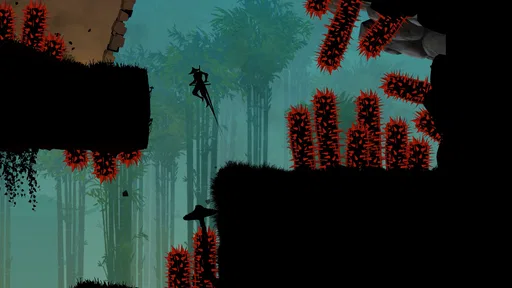
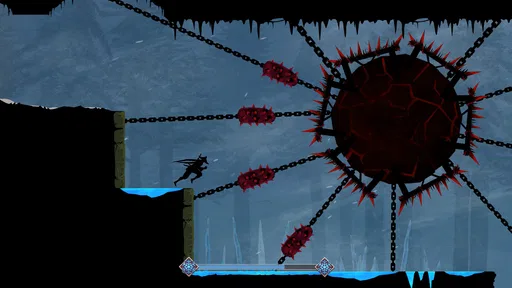
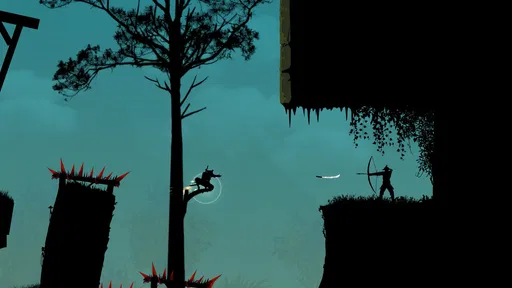
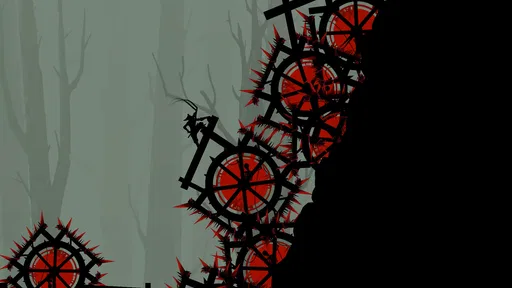
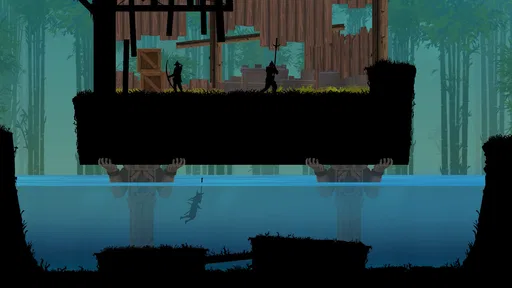
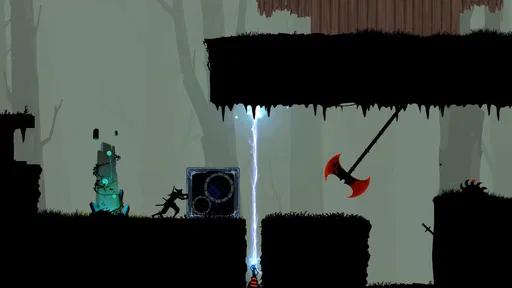
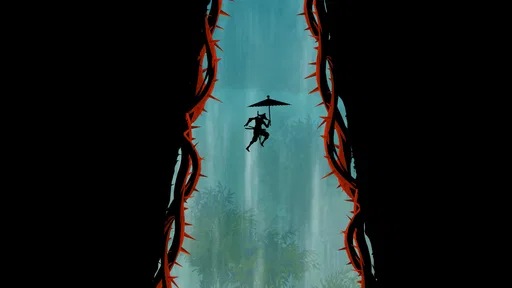
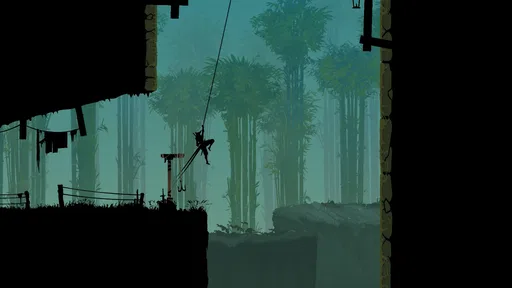
Our Review of Ninja Arashi 2
 Analysis by Appyee
Some mobile games make a strong first impression and then disappear from my phone a few days later. Ninja Arashi 2 has a better chance of staying around because its appeal is immediate: it puts you in control of a ninja, gives the adventure a clear personal purpose, and builds its challenge around careful movement rather than mindless tapping. I found it easy to understand within minutes, but not so easy that the early stages became disposable.
This is a free adventure game from Black Panther, rated Teen, and it has reached more than fifty million installs. Those figures suggest a broad audience, but they do not automatically make it a good fit for everyone. My experience is that the game works best for players who enjoy focused, side-scrolling action and are willing to repeat a difficult section until their timing improves. It is less suitable if you want a relaxed game that can be played with almost no attention.
Why the first week feels so compelling
The opening appeal comes from the combination of movement, danger, and a clear reason to keep going. The central story follows Arashi as he enters the shadows to rescue his son, which gives the adventure more direction than a series of unrelated stages. I did not need a long explanation to understand what I was doing: move forward, survive the traps and enemies, and make progress toward the rescue.
That clarity matters on a phone. I can pick up the game during a short break and immediately remember the objective. The controls are built around the kind of decisions that feel natural on a touchscreen: when to advance, when to wait, when to attack, and when to avoid danger altogether. The best moments are not necessarily the fastest ones. They come when I read a section correctly, move through it without panic, and reach a checkpoint or safe area after several failed attempts.
The game’s difficulty is part of its personality. It does not feel like a simple animated walk from one reward to the next. Traps and enemies make careless movement expensive, so I quickly learned to stop treating every obstacle as something to rush through. That creates a satisfying rhythm during the first week: try a route, identify the mistake, adjust the timing, and attempt it again.
I also appreciated that the adventure has a darker tone than many colorful mobile platformers. The ninja setting supports stealthy movement and sudden danger without requiring the game to explain every detail. Arashi feels vulnerable enough that I pay attention, but capable enough that success feels connected to my decisions. That balance is important because a game like this can become frustrating if failure seems random or if the character feels powerless.
On my first sessions, the most useful habit was to slow down before unfamiliar hazards. A quick player may assume that forward momentum is always best, but the game often rewards observation. I found it helpful to watch an obstacle cycle once before committing to a jump or attack. This small change reduced unnecessary deaths and made the stages feel more like problems to solve than tests of reflex alone.
That is one of the less obvious strengths here: the game encourages a practical form of patience. You are not simply improving your character; you are improving your reading of the level. When I stopped blaming a failed attempt on bad luck and asked which movement I had rushed, progress became more consistent. This makes the early experience more satisfying than a typical casual game that lets me succeed without learning anything.
The first week is also when the visual and atmospheric presentation does the most work. Shadows, ninja imagery, and the rescue premise give the stages a recognizable identity. I would not describe the presentation as the main reason to continue, but it supports the feeling that each section belongs to the same adventure. The game feels more intentional than a collection of disconnected mobile challenges.
Still, the first-week excitement has a limit. Players who prefer open exploration may find the forward-moving structure restrictive. The game is about handling designed challenges, not wandering through a large world and choosing between many activities. Likewise, anyone looking for an online competitive experience will not find that kind of social motivation here. Its appeal is personal mastery, not comparison with other players.
What to expect from the controls and difficulty
I would recommend playing with a quiet moment available rather than while walking or multitasking. A brief interruption can ruin a careful sequence, especially when the next action depends on timing. This is a realistic everyday use case: it works well during a commute break, before bed, or while waiting for an appointment, but only if I can give the screen my full attention for a few minutes.
For new players, I suggest treating the first attempts in a stage as reconnaissance. Do not spend every attempt trying to finish. Instead, learn where the danger appears, notice which enemies can be avoided, and identify the safest place to pause. This approach is particularly useful when a section combines several hazards, because remembering the order is often more valuable than reacting quickly to each one.
The game is free to download, which makes trying it straightforward. It includes in-app purchases ranging from $0.99 to $9.99 per item. I would approach those purchases as optional convenience rather than part of the reason to start. The core question is whether you enjoy the challenge without needing to spend money to make progress. If you dislike retrying stages, optional purchases will not change the basic nature of the game: learning the route and improving your execution remain central.
Whether it keeps its value after the novelty fades
My average impression of the game is strong, reflected in its 4.5 rating from around 395,000 ratings and roughly 3,800 written reviews. I mention that because the game clearly connects with a substantial number of players, but the more important question for me is what happens after the first excitement. Adventure games often feel excellent while the setting is new, then become repetitive once the player has seen the basic pattern.
In the second phase, the lasting value comes from mastery rather than surprise. Once I understood the controls and the general structure, I stopped playing to discover what the game was and started playing to perform better. That shift can be rewarding if you like precision. A stage that initially feels unfair may become manageable after I learn its rhythm, and completing it cleanly provides a stronger sense of achievement than simply receiving another automatic reward.
The game is therefore a good candidate for short, repeated sessions. I would not necessarily play it for a long uninterrupted evening. A better routine is to complete a small amount of progress, stop before frustration takes over, and return later with the previous mistakes in mind. This makes the difficulty feel like a long-term challenge instead of a wall that must be forced immediately.
One useful workflow is to separate progress sessions from practice sessions. During a progress session, I try to move forward and accept that I may fail. During a practice session, I replay a troublesome section with one goal, such as improving a jump or learning an enemy’s timing. This prevents me from measuring every play session only by how far I travel. It also gives the game more recurring value because improvement itself becomes a reason to return.
That said, this value is not endless. There is no need to pretend that every player will want to revisit the same challenges indefinitely. If you mainly enjoy story discovery, the strongest motivation may decline after you have advanced through enough of the adventure. The game has more staying power for people who enjoy refining their performance than for players who need constant new mechanics, social events, or changing objectives.
The current version is 1.9.6, and the game supports devices running Android 8.0 or later. For someone deciding whether to install it today, those details make it reasonably accessible on a wide range of Android phones, although the actual comfort of play will still depend on screen size, touch response, and how well the device handles the game. A smaller display can make precise actions feel less comfortable, especially for players with larger hands.
Where the maintenance burden comes from
There is no complicated daily routine that I need to maintain. I do not have to manage a large collection, organize a team, or check in constantly to avoid falling behind. That is a genuine advantage for me. The game can remain installed without becoming another obligation competing for attention.
Its maintenance burden is instead mental. To stay good at it, I need to preserve the timing and habits I learned. If I leave it untouched for a long period, I may return rusty and repeat mistakes that had already been solved. This is not a serious problem, but it means the game rewards regular short practice more than occasional marathon sessions.
I also found that progress is easier to protect when I play with a consistent approach. Rushing after a successful attempt often causes a careless failure, while taking a moment to reset my attention keeps the controls predictable. A simple routine—play in short blocks, pause after repeated failures, and return later—reduces the feeling that the game is demanding too much from me.
For parents considering it for a teenager, the Teen content rating is worth noticing. The dark ninja setting and combat-oriented adventure may suit older children and teenagers better than very young players. I would also keep the optional purchases in mind when deciding whether the game belongs on a shared device. The free entry is convenient, but purchase controls are sensible whenever a game offers paid items.
Players who want a game that can be enjoyed silently and independently may appreciate this design. It does not depend on coordinating with friends, and it fits a personal routine. In contrast, people who need regular multiplayer interaction may consider the experience too solitary. Choosing between this and a social alternative depends less on quality than on what kind of motivation keeps you playing.
What can cause fatigue over time
The main source of fatigue is repetition after a difficult section stops feeling new. Replaying a challenge can be satisfying when I know I am learning, but it becomes tiring when I make the same mistake without changing my approach. This is why I would not recommend playing through frustration. The game is more enjoyable when I stop, think about the failed movement, and return with a specific adjustment.
Another possible irritation is the tension between precision and touchscreen control. Physical buttons provide clearer feedback for many action games, while a phone screen can feel less forgiving. I did not see this as a reason to reject the game, but it affects who will enjoy it. If you are already uncomfortable with touch controls in fast platforming games, the difficulty may feel more exhausting than rewarding.
The linear adventure format can also narrow its long-term appeal. Compared with a large exploration game, this offers less freedom to create your own objectives. Compared with an endless casual game, it asks for more concentration and gives you fewer effortless sessions. Its best comparison is with other focused mobile action adventures: it is a better choice when you want a defined challenge and a darker ninja atmosphere, while a broader role-playing game may be preferable if you want character management and many different activities.
There is also a trade-off in the game’s accessibility. The straightforward premise makes it easy to begin, but the challenge can still exclude players who want a calm experience. I would skip it if my main goal were to relax with minimal failure, if I disliked repeating sections, or if I wanted a story that constantly changed through dialogue and exploration. The fact that it is free does not remove those design differences.
When I felt fatigue building, the best solution was to change the goal rather than simply play longer. Instead of insisting on finishing a stage, I focused on reaching one difficult point without losing control, then stopped. This turned a frustrating session into useful practice. It is a small but important distinction: the game becomes more sustainable when I treat failure as information, not as a demand to immediately try again.
My long-term verdict on keeping it installed
After the initial novelty fades, I think Ninja Arashi 2 earns lasting space for a specific kind of player. It is not a universal recommendation, and its value does not come from endless content or a relaxed pace. It earns that space through a clear adventure, responsive-feeling challenge, and the satisfaction of turning repeated mistakes into reliable skill.
I would keep it installed if I wanted a mobile game for focused bursts, especially one that does not require a group of friends or a daily commitment. It fits the moment when I have ten quiet minutes and want something more engaging than a basic time-killer. The rescue story gives each session a sense of direction, while the level challenges provide a reason to return even after I know the general premise.
I would recommend it to players who enjoy ninja adventures, side-scrolling action, careful timing, and gradual improvement. It is also a good match for someone who wants to try a substantial free game before deciding whether it deserves regular attention. The age rating, Android compatibility, and optional purchases are practical details to consider, but they do not define the experience as much as the game’s demanding rhythm does.
I would point a different player toward another type of game if they wanted open-world freedom, relaxed controls, frequent social interaction, or a constantly changing stream of activities. This adventure is at its best when I accept its boundaries. It asks me to learn its spaces rather than wander freely, and it rewards patience more than impulsive speed.
Black Panther’s game succeeds because it understands the appeal of a difficult journey with a personal objective. The first week supplies the atmosphere and curiosity; the following weeks depend on whether improving your timing feels satisfying. For me, that is enough to justify returning, provided I play in short sessions and take breaks before repetition becomes irritation.
My final recommendation is simple: try it if you want a free, focused ninja adventure that values persistence over convenience. Give it a fair chance beyond the opening stages, but do not force it into your routine if repeated precision challenges feel like work. Its lasting value is real, though it belongs to players who enjoy mastering a path, not those looking for a game that constantly reinvents itself.
Verdict
Strengths of Ninja Arashi 2
- Fast, responsive controls make movement and combat feel satisfying.
- New abilities and equipment add variety to the platforming.
- Handcrafted levels offer plenty of traps, secrets, and timing challenges.
- The dark ninja atmosphere is supported by fitting music and visual effects.
- Offline play makes it convenient for gaming without an internet connection.
Limitations of Ninja Arashi 2
- Some later stages can feel frustratingly dependent on precise timing.
- Repeated deaths may make progress feel slow for less experienced players.
- Optional upgrades can require considerable grinding to unlock.
- The story is limited, with gameplay taking priority over character development.
- Small on-screen hazards can occasionally be difficult to distinguish.
Other Releases by Black Panther
View All
Ninja Arashi
Adventure4.6

Ninja Arashi 2 Shadow's Return
Adventure4.4
Similar Picks in This Category
View All
Roblox
Roblox Corporation4.2

Pokémon GO
Niantic, Inc.3.5

Ninja warrior: legend of adven
TOH Games4.6
Ninja Arashi
Black Panther4.6

Eyes - The Horror Game
Fearless Games sp. j.4.5

Critical Action:Gun Strike Ops
FPS Shooter & Action Game4.3
Frequently Asked Questions
What is Ninja Arashi 2?
Ninja Arashi 2 is a fast-paced 2D action platformer and the sequel to Ninja Arashi. You play as a skilled ninja who must fight through dangerous stages, avoid traps, collect rewards, and rescue his kidnapped son. The game combines side-scrolling exploration with sword combat, jumping challenges, stealth-inspired movement, and character upgrades, making it suitable for players who enjoy challenging offline adventure games.
Is Ninja Arashi 2 free to download and play?
Yes, Ninja Arashi 2 can generally be downloaded for free on supported Android and iOS devices. However, the free version may include advertisements or optional in-app purchases, depending on the platform and current release. You can progress through the main adventure without necessarily paying, but some players may choose optional purchases to reduce interruptions or support the developers.
Can Ninja Arashi 2 be played offline?
Ninja Arashi 2 is designed primarily as a single-player experience and most of its core gameplay can be enjoyed without a constant internet connection. Offline play is useful when traveling or when mobile data is unavailable. An internet connection may still be required for advertisements, purchases, updates, or certain store-related features, so availability can vary by device and version.
Is Ninja Arashi 2 difficult for beginners?
Ninja Arashi 2 can be quite challenging, especially for players who are new to precision platformers. Levels contain enemies, spikes, moving obstacles, hidden dangers, and carefully timed jumps, so rushing often leads to failure. The difficulty becomes more manageable as you learn enemy patterns, improve your timing, collect resources, and upgrade abilities. Patience and repeated attempts are an important part of the experience.
What devices are compatible with Ninja Arashi 2?
Ninja Arashi 2 is available for mobile devices running compatible versions of Android and iOS, although the exact requirements may change with updates. Before downloading, check the application page for the current operating-system version, storage needs, and device compatibility. Because the game includes animated environments and action effects, older or low-performance phones may experience slower loading, reduced smoothness, or occasional performance limitations.
Play our best games!


